Blog

Growing an MCA business takes more than finding a large list of business owners. You need the right merchants, a quick response process, strong funding relationships, and a reason for clients to come back.
This guide explains how to grow an MCA business in a steady and responsible way, whether you are an MCA broker, ISO, or direct funder.
The aim is not to chase every application. It is to build a process that helps suitable small-business owners understand their options, submit complete files, and receive clear communication. When each part of that process works well, growth becomes easier to measure and manage.
The most reliable way to grow an MCA business is to improve the full path from first inquiry to renewal. Start by defining who you can serve well. Then build lead sources, follow up quickly, match files to the right funding partners, and keep supporting merchants after funding.
First, be clear about your role. An ISO or broker connects merchants with funders. A direct funder reviews, approves, and funds advances from its own capital. A hybrid business may do both, but it still needs clear rules for where each file should go.
Next, define the merchants you want to serve. Consider the industries you know, the states you cover, average monthly revenue, time in business, credit profile, and common funding needs. For example, a business that mainly works with restaurants may need a different sales approach and funder network than one that serves trucking companies.
Write this profile down so the whole team uses the same starting point. It can include:

A focused merchant profile keeps marketing and sales work practical. It also helps your team avoid spending hours on files that are not a good fit. You can expand later, once your core process is working.
Qualified MCA leads are not simply names and phone numbers. A useful lead usually includes accurate business contact details, a real financing need, basic business information, and a clear next step. Good lead sources may include exclusive real-time leads, live transfers, referrals, search traffic, paid advertising, outbound campaigns, UCC data, and carefully screened aged leads.
Before buying or scaling a lead source, check whether it gives you the information your team needs. At a minimum, look for:

Each source has a different purpose. Real-time MCA leads can work well when your team can call immediately. Aged MCA leads may cost less, but they often need more follow-up because the merchant may have already received other offers or solved the need.
Do not judge a source only by cost per lead. Track how many leads answer, apply, get approved, and fund. A more expensive exclusive lead can be more valuable than a cheap shared lead if it brings better conversations and more completed deals.
Speed matters because merchants often contact several providers at the same time. A real-time inquiry can lose value within minutes if no one responds. Give each new lead a clear owner and a simple first-contact standard.
The first call should be followed by a short text or email if the merchant does not answer. Continue with polite follow-up that gives the merchant a reason to reply, such as an application link, a document reminder, or a helpful answer to a question. Do not pressure people who have clearly asked you to stop.
A simple follow-up sequence can keep the team consistent:

A CRM makes this process easier. It can show whether a merchant has been called, what was discussed, and when the next action is due. It also prevents two sales representatives from contacting the same business with conflicting messages.
The best sales calls are built around listening. Ask what the merchant wants to use the funds for, how soon they need them, how the business is performing, and whether there is existing financing. This gives you a fuller picture before you discuss possible options.
Useful discovery questions include:

Use plain language. Explain that merchant cash advance payments are tied to an agreed structure and that total cost, remittance terms, and obligations should be reviewed carefully. Avoid promises about approval, funding amount, or speed before the file has been evaluated.
Good discovery calls also reduce surprises later. If the merchant understands what documents are needed and why, they are more likely to complete the process. Clear expectations help build trust even when a deal does not move forward.
Many workable deals slow down because documents arrive late or arrive incomplete. Give merchants a simple checklist that explains exactly what you need. This may include recent business bank statements, a government-issued ID, a voided check, business details, and payment-processing statements when relevant.
Keep the checklist short and explain the purpose of each item. Common requests include:
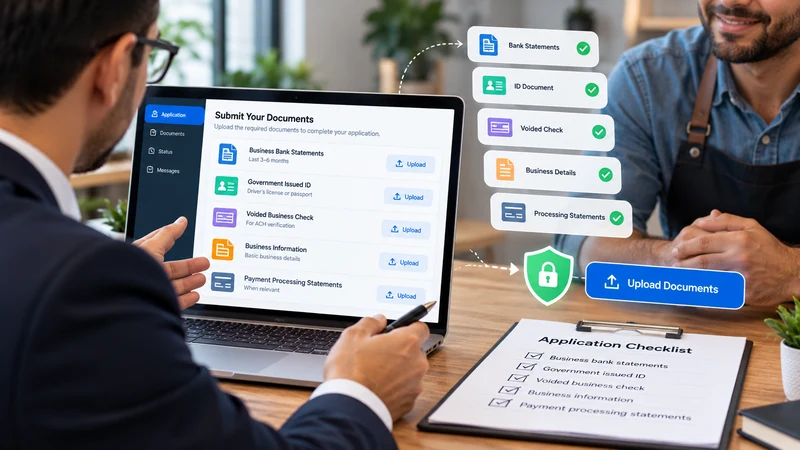
Make document collection secure and simple. A secure upload link is easier than asking merchants to send sensitive documents through several channels. If a document is missing, explain what it is and how it affects the review instead of sending a vague reminder.
Pre-qualification can also save time. Before requesting a full package, confirm the basic facts that matter for your funding partners. This respects the merchant’s time and helps your team focus on files with a reasonable chance of placement.
Funders do not all look for the same type of merchant. One may be comfortable with a newer business that has strong deposits, while another may prefer longer time in business or a particular industry. Learning each funder’s guidelines helps you place files more carefully.
Build relationships with dependable partners and understand their current appetite. Keep notes on minimum revenue, time in business, industry limits, position limits, requested documents, deal sizes, and turnaround times. These details change, so regular communication is important.
Your funder notes should make it easy to answer a simple question: “Which partner is most suitable for this merchant?” Record each partner’s:

Submit complete files to the funders that best fit the merchant. Sending a file to every possible funder can create confusion, extra calls, and a poor merchant experience. Responsible file placement protects both your reputation and your funder relationships.
Approval rates improve when the file tells a clear and accurate story. Check that bank statements, application information, business details, and sales notes match. Explain unusual deposits, recent changes, or existing obligations when you know they may affect review.
Match the requested amount to the merchant’s ability to handle the obligation. A realistic request may have a better chance than a number chosen without reviewing cash flow. If a deal is declined, find out why when possible and see whether another suitable option exists.

Not every decline should become another submission. Sometimes the best help is to tell the merchant what may improve their position in the future, such as more time in business, stronger deposits, or fewer outstanding obligations. Honest guidance can create a future client relationship.
A CRM is the operating record of a growing MCA business. Set clear stages such as new lead, contacted, qualified, application started, submitted, approved, funded, declined, and renewal. Every merchant should have a current stage and a next action.

Record the source of each lead, the sales representative, notes from conversations, application status, and result. This makes it easier to see why deals move forward or stop. It also helps managers coach the team using real information instead of assumptions.
Automation can handle reminders, but it should not replace human judgment. A merchant with a complicated question needs a thoughtful answer, not only another automated text. Use automation to stay organized and use people to build trust.
Growth becomes easier when you measure the full funnel. Track lead cost, contact rate, application rate, approval rate, funding rate, average funded amount, revenue per funded deal, and renewal rate. Review these numbers by lead source, sales representative, industry, and month.
The core numbers to review are:
For example, a lead source may bring many inquiries but few completed applications. Another source may deliver fewer leads but far more funded files. This information helps you shift budget and effort toward what produces healthy, sustainable revenue.
Look for bottlenecks rather than blaming one person or one source too quickly. A low funding rate may come from poor lead fit, slow response time, incomplete documents, weak file placement, or unclear merchant communication. Fixing the real issue is more useful than increasing lead volume.
Marketing should help merchants understand whether they are a fit before they apply. Strong MCA marketing answers common questions, explains the process clearly, and makes it easy to request a conversation. It should never rely on claims that create false expectations.
Your website should clearly explain who you serve, the business needs you help with, and how merchants can contact you. Create useful pages for merchant cash advances, working capital needs, industry-specific funding situations, and renewal support. Keep forms short and tell people what will happen after they submit one.
Add real trust signals where available. These may include a business address, clear contact details, privacy information, reviews you are allowed to use, and transparent process explanations. Do not use fake testimonials, misleading countdowns, or guarantees you cannot support.
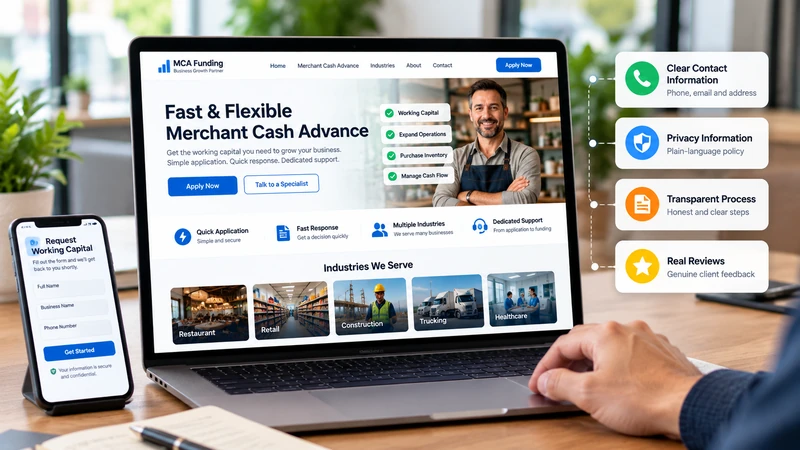
The most useful trust signals are simple and verifiable:
Search engine optimization works best when the content is useful to the reader. Publish guides that answer questions about MCA eligibility, required documents, funding timelines, renewal timing, business cash flow, and how to compare financing choices. Connect each guide to the relevant service page only when it helps the reader take a next step.
Use the words merchants naturally use, such as business funding, working capital, cash flow, merchant cash advance requirements, and MCA renewal. Do not repeat keywords unnaturally. A page should be written for a business owner who needs clear information, not for a search engine.
Paid search and call campaigns can bring immediate demand, but they need close tracking. Send people to a page that matches the ad and gives a clear choice to call or request information. Track calls, form submissions, completed applications, funded deals, and revenue—not only clicks.
Review these results together so advertising decisions are based on business outcomes:

Set location and audience limits that match your licensing, compliance, and service capacity. Use negative keywords to reduce irrelevant traffic. Review ad language carefully so it is truthful and does not imply guaranteed approval or hide important conditions.
Trusted partners can bring steady business over time. Accountants, payment processors, POS providers, insurance agents, business consultants, and commercial brokers may work with owners who have a real cash-flow need. The right partnership begins with a clear fit, not a broad request for leads.
Make the referral process simple. Explain what information is helpful, how you protect merchant data, when the partner will receive an update, and how any referral arrangement works. Follow all applicable laws and get professional advice before setting compensation terms.
A good partner should know what happens after a referral. Agree on:
New lead generation matters, but existing clients can be a major source of future business. A merchant who had a clear, respectful experience is more likely to return or refer another owner. Retention starts with service, not just a reminder when a renewal may be available.
Create a schedule for checking in with merchants before their funding term is close to completion. Review their repayment history, current business condition, and reason for seeking additional capital. A renewal should make sense for the merchant’s situation, not simply meet a sales target.
Before discussing a renewal, review:

If the timing is not right, stay helpful. You can answer questions, update contact information, and keep a note for a future check-in. Long-term relationships are more valuable than pushing a deal that does not fit.
Do not disappear after a deal funds. A short follow-up can confirm that the merchant understood the process and knows whom to contact with questions. Periodic check-ins can also uncover service problems before they damage the relationship.
When a client is genuinely satisfied, it is reasonable to ask for a review or referral. Make the request simple and optional. Never offer incentives for misleading reviews or ask people to say things that are not true.
As lead volume rises, a repeatable sales process becomes more important. A team cannot grow well if everyone uses a different process and stores details in private notes. Training, standards, and coaching protect the merchant experience while helping representatives improve.
New representatives need more than a list of objections and responses. Teach them the basics of merchant cash advances, the document process, common business needs, funder fit, CRM use, and compliance. They should also learn when to slow down and ask for help.

Review calls and written messages during training. The goal is not to make every person sound the same. It is to make sure the information is accurate, the tone is respectful, and the next step is clear.
Set response-time expectations, follow-up rules, file-submission standards, and CRM requirements. Review pipeline activity regularly so problems are found early. A simple weekly review can show which leads need attention and which steps are slowing deals down.
Measure quality along with volume. A representative who keeps good notes, submits clean files, and earns repeat business adds real value. Rewarding only raw submissions can lead to poor file quality and a weaker client experience.
Compliance is part of responsible growth. MCA rules, disclosure requirements, marketing standards, and registration requirements can vary by state and change over time. Your business should get advice from qualified legal and compliance professionals for its exact model and locations.
Keep advertising clear and truthful. Describe your services accurately, disclose important information when required, and avoid language that could mislead a merchant about approval, cost, or timing. If you use calls, texts, or email campaigns, follow consent, opt-out, privacy, and communication rules that apply to your business.
Keep records of marketing materials and merchant communications. These records can help answer questions, resolve complaints, and improve team training. They also make it easier to spot messages that need correction.
Merchant bank statements and identification documents are sensitive. Use secure collection methods, limit access to people who need the information, and give your team clear rules for handling files. Do not share merchant data without a valid business purpose and proper safeguards.
Your reputation affects every growth channel. Funders, referral partners, and merchants notice how you communicate and solve problems. A careful process may feel slower at first, but it supports stronger relationships over time.
MCA businesses often lose momentum because a small problem in the sales process is left unchecked. The goal is not to avoid every challenge. It is to spot problems early, improve the process, and protect the merchant experience as the business grows.
Review these areas regularly instead of waiting until funded volume drops. A better lead mix, stronger follow-up, and careful client service can improve growth without simply increasing the number of leads you buy.
There is no fixed timeline. Growth depends on lead quality, response speed, sales skill, funding relationships, budget, and the strength of your follow-up process. A consistent process is usually more important than trying to grow too fast.
There is no single best source for every business. Exclusive real-time leads, referrals, search traffic, paid advertising, outbound campaigns, and selected aged leads can all work. The best source is the one that produces qualified conversations and funded deals at a sustainable cost.
Usually, yes. Multiple suitable funder relationships give you more options for different merchant profiles. However, new brokers should learn each funder’s process and submit files responsibly instead of sending every file to everyone.
At minimum, track lead cost, contact rate, application rate, approval rate, funding rate, average funded amount, revenue per deal, and renewal rate. These numbers show where your process is strong and where merchants may be dropping off. Review them regularly and make one or two focused improvements at a time.
To grow an MCA business, start with the people and processes you can control. Define the right merchant, bring in qualified leads, respond quickly, collect clean files, place deals responsibly, and support clients after funding. More leads can help, but they will not solve a weak process.
The strongest MCA businesses earn growth through clear communication, careful partnerships, useful marketing, and respectful service. Build those habits first. They can help you create a business that serves merchants well and grows with greater confidence.
Get a custom quote built around your states, industries and volume.